
Extrudates
Purpose of Extrusion
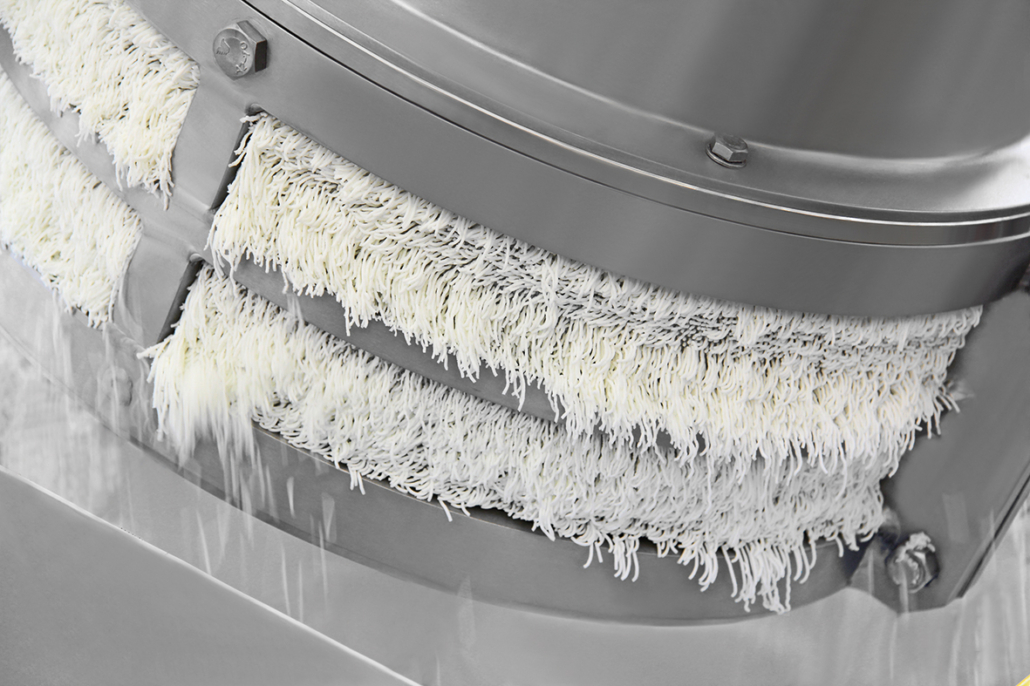
Extrudates are formed by forcing a wetted powder or mass through a die or screen to generate cylindrical strands of defined diameter. The primary objective of pharmaceutical extrusion is to transform powders into a cohesive, uniformly shaped intermediate with controlled geometry and density. Compared to loose powders or conventional granules, extrudates offer enhanced structural integrity, improved homogeneity and reproducible downstream processing.
Role in Solid Oral Dosage Forms
Extrudates are most commonly used as an intermediate product for pellet production, particularly in extrusion–spheronization processes. They serve as the precursor to spherical pellets, which are widely applied in multiparticulate oral dosage forms such as capsules, sachets and modified‑release tablets. Key quality attributes of pharmaceutical extrudates include strand diameter, length, surface structure, mechanical strength and moisture content, all of which directly influence spheronization behavior and final pellet quality.
By enabling precise control of particle shape and size prior to spheronization, extrusion supports robust, scalable manufacturing processes. Pharmaceutical extrudates facilitate the production of uniform pellets with narrow size distributions, contributing to consistent drug release profiles, improved process stability and reliable compliance with regulatory quality requirements.
Ready to produce the perfect extrudates?
Discover our extruder and pelletizer or learn more about extrusion and spheronization: